November 18, 2026
Ways to Increase Foot Traffic to Your Cafe
By @cesariyqe531
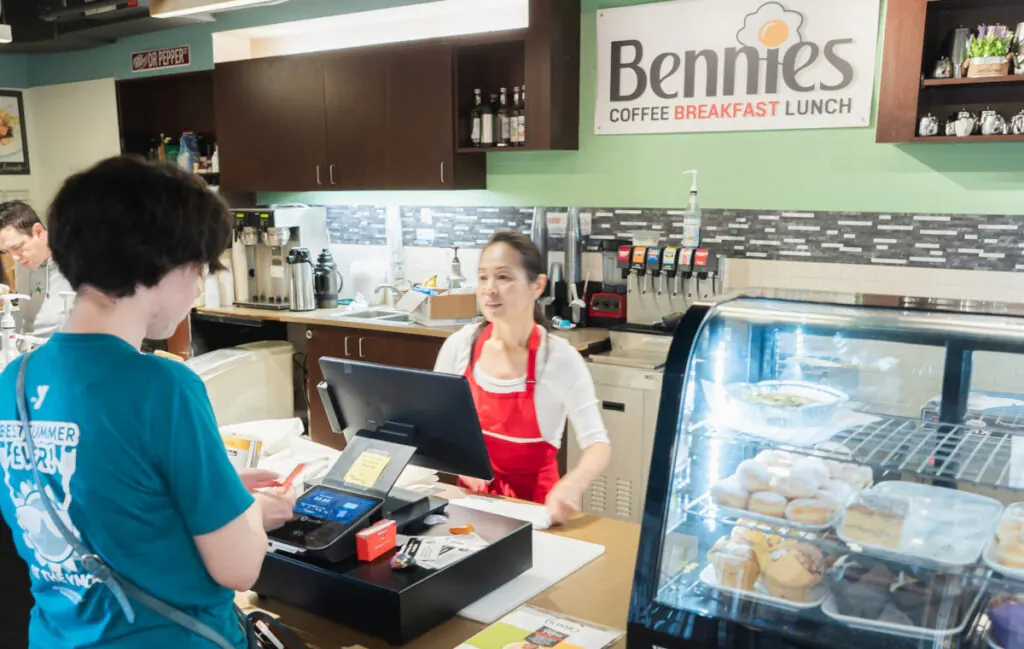
A busy cafe rarely gets that way by accident. Good coffee helps, of course. So does a warm room, capable staff, and a menu people trust. But foot traffic is a separate discipline. It sits at the intersection of location, visibility, habit, convenience, pricing, and atmosphere. Owners often focus on what happens once someone walks in, yet the first challenge is getting more people to cross the threshold in the first place.
The hard part is that foot traffic is local and highly specific. A strategy that works near a train station may fail in a residential neighborhood. A promotion that fills seats on Tuesdays can cheapen the brand if it runs too often. The strongest cafes I have seen do not chase gimmicks. They remove friction, become easier to notice, and give nearby people a clear reason to stop in now, not someday.
Start with the sidewalk, not the espresso machine
Many cafe owners think of marketing as social media, ads, loyalty apps, or events. Those things matter, but the street outside your front door matters more. If people pass by and do not understand what you are, what you sell, or why they should enter, the rest of your effort is working uphill.
Stand across the street from your cafe and look at it as a stranger would. Can you read the sign quickly from both directions? Is the entrance visible, or does it hide behind reflections, plants, or an overdesigned window treatment? Can someone tell within three seconds whether you serve coffee, breakfast, pastries, lunch, or all of the above?
One of the simplest improvements is often the most effective: cleaner visual communication. A cafe that replaces a stylish but vague window display with a clear sign reading “specialty coffee, fresh pastries, breakfast until 11” can see an immediate lift in walk-ins. Not because the product changed, but because confusion dropped. People moving on foot make quick decisions. Ambiguity costs sales.
Sidewalk signage deserves the same attention. A-frame boards can work well, but only when they say something useful. “Welcome” is polite and forgettable. “Fresh cinnamon rolls out at 8:30” gives timing and specificity. “Iced oat latte and ham toastie combo before 10” tells a rushed commuter exactly what problem you solve. The best boards are updated often enough that regular passersby stop noticing the changes.
If your local regulations allow it, outdoor seating also acts as advertising. Even four small tables can alter the feel of a cafe. People trust places that appear active. A half-full patio makes a room feel safer and more desirable than an empty interior hidden behind dark glass.
Give people a reason to come at a particular time
General awareness is helpful, but specific timing drives action. “I should try that cafe sometime” is weaker than “I can grab that on my walk tomorrow morning.” Foot traffic grows when your offer attaches itself to a moment in a customer’s day.
Morning commuters, school drop-off parents, remote workers, lunch crowds, and late afternoon walkers all behave differently. The strongest cafes shape offers around those traffic patterns instead of hoping one menu suits every hour. A bakery-heavy cafe near offices may do most of its volume before 9:30. A neighborhood cafe with strollers and laptops may peak between 10 and noon. A place near a park may sell more cold drinks after school.
This is where observation beats guesswork. Track transactions by half hour Cafe for a few weeks. Watch who enters, not just what sells. You are looking for windows where the street is active but your door is quiet. That gap reveals opportunity.
Sometimes the answer is product timing. Fresh cookies at 2 p.m. Can wake up a dead afternoon. A soup-and-toast lunch offer from 12 to 2 can capture office workers who need speed. Earlier opening hours may matter more than a new drink menu if your area fills with commuters at 7 a.m. And you unlock at 8.
Limited-time habits are powerful because they feel less like discounts and more like rituals. People return for things that feel anchored in time. Friday cardamom buns, Sunday brunch sandwiches, or a weekday happy hour for espresso and cake can create repeat foot traffic without teaching customers to wait for markdowns.
Make the first visit easy, then make the second visit likely
Some cafes unintentionally create small barriers that reduce walk-ins. The menu is too broad and slow to read. Prices are hard to spot. The queue blocks the pastry case. Staff greet people late, so uncertain newcomers pause in the doorway and leave. None of these issues seem dramatic in isolation, but together they suppress traffic.
A first-time customer should understand the flow within seconds. Where do they line up? Do they order at the counter or table? What are the top sellers? What can be grabbed quickly? What is the average wait? The easier the decisions feel, the more often people will choose your place when they are short on time or mental energy.
Then comes the second visit, which is where true traffic growth begins. If the first experience is merely acceptable, you may get a one-time sale. If it is distinct and frictionless, you begin building routine. That routine matters more than viral moments.
The cafes that retain foot traffic best usually do a few basic things very well:
- They highlight their bestsellers clearly, so new customers can order with confidence.
- They maintain consistent product quality, especially with staple items like drip coffee, cappuccinos, croissants, and sandwiches.
- They move the line efficiently during peak periods without making the room feel rushed.
- They remember regulars in small ways, often by drink preference or usual timing.
- They give people a reason to mention the place to a friend, whether that is a signature pastry, a beautiful corner seat, or unusually friendly service.
That final point often gets overlooked. Word of mouth for a cafe is not built on being decent. It is built on being specifically worth mentioning.
Use the menu as a traffic tool, not just a sales tool
A menu can drive foot traffic before people arrive and once they step inside. Too many menus are designed only around margin or kitchen convenience. Those considerations are real, but they are not the whole picture. Some items earn their place because they attract people in from the street and create repeat visits.
A well-priced filter coffee, for example, may not be the star of your margin story, but it can become the most reliable reason for a daily stop. A breakfast sandwich that is fast, filling, and visibly appealing can convert passersby into regulars. A pastry made in small batches and displayed prominently can pull people in on impulse.
Signature items matter here. Every successful cafe does not need a viral pastry, but it helps to have one or two things people associate with your place. Maybe it is a pistachio bun, a dense hot chocolate, a seasonal iced drink, or a simple but excellent grilled cheese and tomato soup. The goal is not novelty for its own sake. The goal is memorability that still works operationally.
There is a trade-off, though. Highly photogenic menu items can create attention without creating sustainable traffic if they are slow to produce, inconsistent, or only appealing as a one-time curiosity. I have seen cafes fill up for a few weekends on the back of one dramatic item, only to frustrate guests with long waits and stockouts. A better target is a signature product that looks good, tastes better, and can be served smoothly even in a rush.
Local partnerships bring in the right kind of traffic
When a cafe wants more people through the door, broad awareness is less useful than local relevance. A thousand social media views from people across town do less than a single referral from the pilates studio two blocks away. The most practical partnerships are usually small, specific, and neighborhood-based.
Think about who already gathers your potential customers. Gyms, salons, bookstores, daycare centers, co-working spaces, florists, offices, real estate agents, dog groomers, and boutique retailers can all become quiet traffic channels if the fit is right. The best partnerships are reciprocal. If you only ask others to promote your cafe, the effort will fade. If you make it easy for them to benefit, the relationship lasts.
For example, a cafe near a yoga studio might create a post-class drink special that runs during the studio’s highest traffic window. A bookstore and cafe can cross-promote reading nights. An office manager in a nearby building may be happy to keep your menus at reception if you reliably handle pre-orders and group coffee runs. A florist and cafe can share Mother’s Day traffic with simple bundle offers that do not require heavy logistics.
These arrangements do not need to be elaborate. They need to be timely, visible, and easy to redeem. The key is to measure whether they bring actual bodies into the cafe, not just likes or vague goodwill.
Google Maps matters more than many owners realize
For foot traffic, digital presence is often hyperlocal. People search “cafe near me,” “coffee near station,” “best pastry nearby,” or “quiet cafe with wifi.” If your Google Business Profile is neglected, you are invisible at the exact moment someone is ready to walk somewhere.
Your listing should have updated hours, accurate photos, current menu highlights, and a short description that reflects what you are known for. Categories matter. So do responses to reviews. A cafe with good reviews but old photos and inconsistent hours can lose business to a less talented competitor that simply looks more dependable online.
Photos should show the outside as well as the inside. This sounds minor, but it helps people recognize your entrance from the street. Include the pastry case, seating, coffee, and a sense of the room’s light and mood. If you have outdoor seating, showcase it. If you are laptop-friendly, family-friendly, or known for quick takeaway, make that visible.
Reviews also shape foot traffic more than owners sometimes admit. People read them for practical clues: Is it busy? Is the staff friendly? Are there vegan options? Is there room to sit? Is the coffee actually good or just pretty? Responding professionally, especially to fair criticism, signals that the business is attentive and stable.
Events can work, but only when they fit the room
Events are often suggested as a traffic booster, and they can be. But not every cafe should host live music, workshops, or evening socials. The room, the neighborhood, and the operating model have to support it. A tiny morning-driven cafe may do better with occasional tasting flights or a Saturday pastry release than with crowded nighttime programming.
The best events feel adjacent to your identity, not bolted on. A specialty coffee shop might hold a brewing class. A family-oriented neighborhood cafe might run a children’s story morning with a simple breakfast deal. A cafe near creative offices could host a monthly networking breakfast. The event should attract people who are likely to return on ordinary days, not just event chasers.
There is also a hidden cost to events: labor, cleanup, setup time, inventory risk, and sometimes noise complaints. That does not mean avoid them. It means treat them like business tools, not cultural accessories. A modest event that fits the brand and brings in 20 likely repeat customers is often more valuable than a larger event that disrupts regular trade and yields little follow-up.
Train the staff to create momentum at the door
Foot traffic is not purely external. Staff behavior changes how visible and welcoming a cafe feels from outside. A room where employees move with purpose, greet people promptly, and handle the queue smoothly projects confidence. A room where staff seem disengaged or overwhelmed repels walk-ins, even if the coffee is excellent.
This is especially true during busy periods. The line itself can attract people, but only if it moves. A slow line tells passersby they may not have time to stop. Sometimes one extra person on register for 90 minutes each morning does more for traffic than an entire month of paid ads. Capacity signals matter.
Greeting people quickly is one of the simplest operational wins. A customer who enters and hears, “Morning, we’ll be right with you,” relaxes. A customer who enters, hesitates, and feels ignored starts considering the place next door. This sounds obvious, yet it is surprisingly common in independent cafes where everyone is busy and no one owns the guest’s first ten seconds.
Sampling can help in the right context, too. A small tray of bite-sized cake near the door on a Saturday morning or a tiny sample of a seasonal cold brew can draw attention without feeling pushy. It works best when the product is genuinely strong and the staff offer it naturally.
Price with care, because value drives frequency
If your goal is higher foot traffic, you need enough accessible entry points on the menu. That does not mean underpricing across the board. It means ensuring there are items people can buy regularly without hesitation. Frequency is often built on perceived value, not cheapness.
A premium cafe with a very high average ticket may earn well per customer but struggle to become part of someone’s daily routine. On the other hand, a cafe that prices too aggressively may fill seats while damaging margin and service standards. The sweet spot depends on your area and concept, but most successful cafes balance an aspirational range with a comfortable everyday range.
This may look like an affordable drip coffee alongside specialty drinks, or a small breakfast item that gets people in the door before they graduate to pastries and lunch. Value combos can work well if they simplify the decision and improve throughput. “Coffee and croissant before 10” is often easier for a rushed customer than comparing six separate items.
Price changes should also be communicated thoughtfully. If you improve ingredients, expand portions, or add handmade components, say so where appropriate. Customers are more accepting when the value story is visible. Silent price jumps tend to erode goodwill, especially among regulars who track your menu by memory.
Do not ignore the quiet power of routine
The cafes with the steadiest foot traffic often feel woven into neighborhood life. People stop there because it fits naturally into existing patterns. The parent after school drop-off, the freelancer between calls, the couple on a Saturday walk, the office worker on the way back from lunch, the retiree with the newspaper, the dog owner after the park. Your job is to notice those rhythms and support them.
This means thinking beyond promotions. Are your opening hours aligned with local routines? Is your takeaway shelf organized for speed? Is there a reliable place to park a stroller? Can someone walk in, get a coffee, and be back outside in three minutes if needed? Is the room comfortable enough for a brief pause without feeling like a workspace battlefield?
Often, increasing traffic is less about making dramatic changes and more about becoming easier to choose repeatedly. Reliability compounds. A cafe that consistently opens on time, Cafe Bennies Cafe keeps favorites in stock, and serves a strong flat white every morning builds traffic almost invisibly, one habit at a time.
What to measure so you do not mistake activity for growth
Owners can easily confuse busyness with progress. A crowded Saturday may feel encouraging, but foot traffic growth should be measured across the week, not judged from a few strong hours. You need a simple scorecard that shows whether changes are working.
Watch for these signals over a month or two:
- The number of transactions by daypart, especially weak periods you are trying to improve.
- The percentage of takeaway versus dine-in orders, since this affects speed and visibility.
- Repeat visit patterns, often visible through loyalty data or staff recognition if your system is simple.
- Average queue time during peaks, because traffic growth stalls when waiting becomes painful.
- Sales mix on traffic-driving items, which helps confirm whether your signature offers are doing their job.
You do not need sophisticated analytics to learn something useful. A notebook, a point-of-sale report, and staff observations can go far. The important thing is to make one or two changes at a time. If you change signage, menu pricing, opening hours, and staffing all at once, you will not know what actually moved the needle.
The strongest cafes feel obvious once you know them
When a cafe earns dependable foot traffic, it often seems effortless from the outside. People stream in. The patio fills. The queue keeps moving. Regulars chat to the barista. A newcomer pauses at the pastry case and decides to stay. But behind that ease is a series of intentional choices.
The storefront is clear. The offer matches the street. The menu includes items people can buy often. The experience is easy to understand. The staff create momentum instead of friction. The digital presence supports real-world discovery. The promotions are timed, not random. The room gives people a reason to return.
If you want to increase foot traffic to your cafe, resist the temptation to search for a single magic tactic. It is usually a stack of practical improvements, each one small enough to implement, together strong enough to change the pattern of the day. A better sign. Faster service at 8 a.m. A sharper breakfast offer. More useful Google photos. A local partnership that reaches the right block, not the whole city. A signature item worth talking about.
That is how cafes become busy in a durable way. Not louder, just easier to choose, easier to find, and better at turning nearby people into regulars.
Bennies Cafe
17230 Jackson Creek Pkwy Ste 100, Monument, CO 80132
+1 719-445-0660
FAQ About Cafe
What is considered a café?
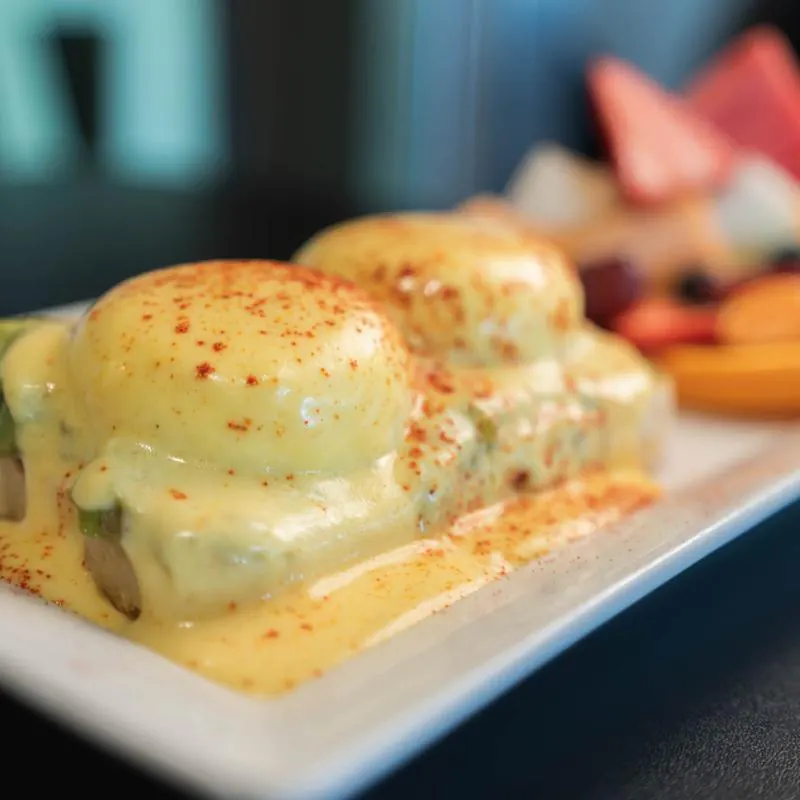
A café is generally an informal place to enjoy refreshments and a meal. Bennies Cafe in Monument serves breakfast and lunch in a counter-service setting, with options including eggs Benedict, sandwiches and crepes. Guests can eat in or arrange pickup.
What is the difference between a coffee shop and a café?
The terms often overlap. A coffee shop usually emphasizes coffee and other drinks, while a café may offer a broader food menu. Check the individual establishment's menu rather than relying on its name. Bennies Cafe offers coffee drinks alongside breakfast and lunch dishes.
What is the difference between café and coffee?
In everyday English, a café is a place where people buy food and drinks, while coffee is the beverage. The word café comes from the French word for coffee. Bennies Cafe serves options such as brewed coffee, espresso and lattes as part of its drinks menu.
❧