November 18, 2026
The Keys to Running a Profitable Small Cafe
By @cesariyqe531
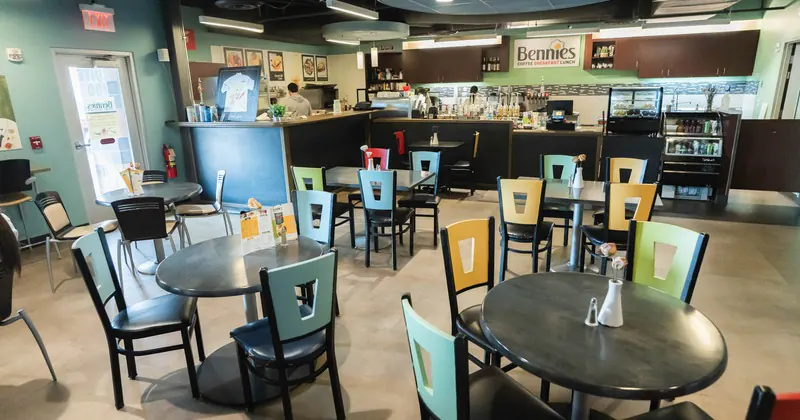
A small cafe can look simple from the street. A few tables, an espresso machine, pastries in a case, music low in the background. From the outside, it often appears to be a business built on charm. Inside the operation, though, profit comes from discipline. Margins are narrow, labor is expensive, food is perishable, and customer loyalty can disappear quickly if quality slips for even a week.
That is why the most profitable cafes are rarely the prettiest or the trendiest. They are the ones that make sound decisions every day, often in ways customers never notice. They buy carefully. They engineer a menu with intent. They schedule labor to match demand. They price for survival, not just for optics. They understand that a beautiful brand cannot rescue a weak operating model.
I have seen small cafe owners make the same mistake in different neighborhoods and at different price points. They focus too heavily on opening day and not nearly enough on month seven, when equipment starts acting up, energy bills jump, a staff member quits, and foot traffic drops because roadwork begins outside. Profit lives in the ordinary weeks. It is created by systems, habits, and judgment under pressure.
Profit starts with a clear business model
Many owners say they want a profitable cafe, but they have not made the basic choices that determine whether profit is likely. A cafe is not just a place that sells coffee. It is a format. That format needs to match the location, the customer, and the owner’s appetite for complexity.
A neighborhood espresso bar with mostly takeaway orders operates very differently from a brunch-heavy cafe with full table service. The first may survive with a smaller team, lower rent tolerance, and tighter menu. The second can produce higher average tickets, but only if seat turnover, kitchen execution, and labor are handled well. Problems begin when owners try to combine several models at once. They want artisan coffee, all-day breakfast, made-to-order sandwiches, custom cakes, retail beans, events, and a strong delivery business, all from a compact site with limited staff. Complexity feels exciting at first. Later, it shows up as waste, slow service, inconsistent quality, and payroll pressure.
Before opening, or before trying to fix an underperforming operation, it helps to answer a few blunt questions:
- Is this cafe primarily driven by coffee, food, or seat time?
- Are customers mainly taking away, sitting for 20 minutes, or occupying tables for 90?
- Can the kitchen and front counter realistically handle the menu at peak hours?
- Does the rent make sense for the expected weekly sales?
- Is the concept built for repeat local trade or occasional destination visits?
Those answers influence everything from equipment purchases to staffing patterns. A cafe that depends on repeat office workers needs speed, consistency, and a breakfast offer that can be delivered in minutes. A weekend destination cafe can tolerate longer waits if the setting, food, and average spend justify it. Confusing one for the other is costly.
The menu should serve the business, not the owner’s ego
One of the fastest ways to lose money in a small cafe is to build a menu around personal taste rather than operational logic. Owners fall in love with dishes that look impressive on paper but are awkward to prep, require too many ingredients, or sell too unpredictably. The result is a menu that creates stress in the kitchen and waste in the fridge.
A profitable cafe menu has a job to do. It should be easy enough to execute well, broad enough to attract a solid customer base, and disciplined enough to protect gross margin. That usually means fewer items than people expect.
Coffee often provides the highest volume and, when managed correctly, strong contribution margins. Food can increase average transaction value significantly, but only if ingredient overlap is planned. A cafe that carries fifteen fresh ingredients just to support two low-selling menu items is paying a hidden tax in spoilage and prep time.
In practice, the smartest menus are built around a core set of ingredients that appear in multiple products. A good example is a cafe that uses the same roasted vegetables in breakfast wraps, lunch grain bowls, and focaccia sandwiches. Another is using one high-quality pastry dough across several seasonal variations instead of bringing in five unrelated bakery lines with different shelf lives. Customers do not reward back-of-house complexity nearly as much as owners assume they will.
Pricing also needs realism. Many first-time operators underprice because they are worried about scaring people away. They compare themselves to larger chains or older businesses with very different lease terms and purchasing power. But if your cappuccino is priced too low, you are not being customer-friendly, you are subsidizing every sale. Guests may appreciate it for a while, but the business pays the price later through deferred maintenance, owner burnout, or declining quality.
There is also a common trap around premium ingredients. Higher ingredient quality can absolutely justify higher prices, but only if the customer experience makes that value obvious. If you pay extra for excellent butter, single-origin beans, or local produce, the product must taste better, look better, or be communicated clearly. Otherwise, you absorb the cost without earning the return.
Good cafes know their numbers without turning robotic
A profitable cafe is emotional on the surface and numerical underneath. Hospitality matters, but sentiment cannot replace measurement. Owners do not need complicated dashboards to run a strong business, though they do need a working command of a few daily and weekly figures.
The most useful numbers are not always the most glamorous. Average transaction value, labor as a percentage of sales, food cost, coffee bean usage, and hourly sales by daypart will tell you far more than follower counts or total monthly revenue in isolation. A cafe can be busy and still lose money. It can also look quiet at certain hours and remain healthy if the sales mix and labor plan are right.
These are the figures worth watching closely:
- Average spend per customer
- Cost of goods sold by category, especially coffee, milk, and food
- Labor cost as a percentage of net sales
- Sales by hour and by day
- Waste, including expired stock and remake rates
The reason these matter is simple. They reveal where the business is leaking. If average spend is low, perhaps the team is not upselling pastries or lunch. If milk cost is climbing, drinks may be oversized, wasted, or improperly poured. If labor runs high every Tuesday afternoon, the schedule is probably built from habit rather than actual Cafe traffic.
I once worked with a small cafe that believed its biggest problem was weak marketing. Footfall felt soft, and the owner was ready to spend on paid promotion. The numbers showed something else. The issue was not customer count, it was throughput at the morning peak. A line formed, service slowed, and potential buyers walked away. After simplifying drink modifiers, pre-batching a house cold brew, and changing the till flow, they served more people in the same hour. Sales improved without any ad budget. The profit lift came from execution, not visibility.
Labor can make or break the week
Payroll is often the largest controllable expense in a small cafe, and it is where strong operators separate themselves quickly. Some owners under-staff in the name of efficiency and end up hurting revenue because service slows, cleaning suffers, and regulars stop coming. Others over-staff because they want insurance against a rush, and their margins disappear in quiet periods. The goal is not minimum labor, it is effective labor.
Scheduling should begin with sales patterns, not staff preferences. If Monday mornings are modest and Saturday brunch is packed, the rota should reflect that honestly. Many owners hesitate to cut unproductive hours because they do not want difficult conversations. That avoidance can drain thousands over a year.
Cross-training is one of the most practical ways to improve labor efficiency without compromising service. A team member who can pull shots, work the till, restock pastries, and handle basic closing tasks is far more valuable than someone limited to a single station. In a small cafe, rigid specialization often creates bottlenecks. During a rush, the strongest teams shift naturally. One person takes orders, another steams milk, another heats food, and then they reset the space together. That flexibility protects sales.
Retention matters as much as scheduling. Constant turnover is expensive. Recruiting takes time, training takes time, and inexperienced staff create more waste and more remakes. The hidden cost of replacing people is often larger than owners expect. Better pay is not the only retention tool, though fair wages help. Predictable schedules, clean systems, sensible prep lists, and respectful management all reduce churn. People leave chaotic cafes even when the coffee is good.
Rent is not just a number, it is a pressure system
A cafe can have excellent coffee, loyal regulars, and strong reviews, but if occupancy costs are too high, the business will struggle to breathe. Rent is unforgiving because it does not care whether January was slow or whether road access was blocked for three weeks. It arrives every month.
This is why site selection deserves more skepticism than many entrepreneurs give it. They fall for exposed brick, corner windows, or a fashionable postcode, then spend years trying to make the rent work. A visually perfect site can become a financial trap if the sales volume needed to cover it forces the business into constant stress.
High-rent locations demand either high foot traffic, high average spend, or both. Sometimes they can support that. Sometimes they cannot. A smaller secondary site with lower rent and a loyal local crowd can be more profitable than a showpiece location in a premium district. Profit rarely cares about prestige.
It is also worth looking beyond base rent. Utilities, waste collection, service charges, business rates where applicable, grease trap servicing, pest control, and equipment maintenance all add up. Owners often underestimate these because they focus on the lease headline rather than the full occupancy burden. In a business with slim margins, underestimating fixed costs by even a modest amount can distort the entire model.
Small wins in purchasing add up fast
Purchasing is rarely glamorous, but it can quietly improve or damage profitability every single week. The best cafe owners are not necessarily the ones who buy the cheapest products. They are the ones who understand yield, consistency, and the trade-off between convenience and labor.
Pre-prepared ingredients can reduce prep time and help smaller teams cope, but they often carry higher unit costs. Raw ingredients may be cheaper on paper, but if they require intensive labor or generate inconsistent portions, the savings may be illusory. The right answer depends on the skill of the team, the volume of sales, and the physical space available.
Supplier relationships matter here. A small cafe does not have the buying power of a chain, but it can still negotiate in practical ways. Consolidating orders, committing to regular volumes, and paying on time can improve terms. So can being clear about standards. If the bakery items arrive inconsistently or produce quality swings week to week, the damage goes beyond waste. Customer trust erodes when the almond croissant that was excellent on Tuesday is dry on Friday.
Stock control is another area where discipline pays. Many owners buy defensively because running out feels embarrassing. Over-ordering feels safer. Yet in a cafe, over-ordering often means cash tied up in shelves and chilled storage, more spoilage, and a false sense of abundance that encourages lax portioning. Running lean is uncomfortable at first, but it sharpens the whole operation.
The guest experience has to support repeat business
A profitable cafe does not rely on novelty. It relies on repeat custom. That means the guest experience must be dependable enough that customers return without needing to be persuaded each time.
Consistency is the backbone of repeat trade. People forgive occasional delays if the tone is warm and the product is worth waiting for. What they do not forgive for long is unpredictability. If the flat white tastes brilliant one day and dull the next, or if the breakfast sandwich is generous in the morning but sparse by noon, trust fades. Once that happens, the cafe becomes a maybe rather than a habit.
Speed matters more than many owners like to admit. It is tempting to romanticize craft, but a cafe is still a flow business. During peak periods, customers need to feel movement. That does not mean rushing every interaction. It means removing unnecessary friction. Clear menu boards, visible pastries, efficient payment systems, and a well-laid-out handoff area all improve perceived and actual speed.
Atmosphere also has a direct profit angle. Music volume, seating comfort, queue design, lighting, and cleanliness affect how long people stay and how much they spend. There is a delicate balance here. If the environment invites people to camp for three hours over one drink, a small cafe can lose table productivity. If it feels too transactional, it may fail to build loyalty. The right setting depends on the model, but it should be intentional. A business cannot afford to be vague about what kind of customer behavior it wants.
Marketing works best when the operation is already sound
Many struggling cafe owners think marketing will solve what is actually an operations issue. Promotion can amplify a good business. It cannot stabilize a weak one for long. If service is slow, quality is erratic, or menu pricing is wrong, more visibility just exposes more people to the problem.
That said, modest and practical marketing can be powerful when the fundamentals are strong. For a small cafe, this usually means local presence rather than elaborate campaigns. Being easy to find online, posting attractive and truthful product images, maintaining accurate opening hours, and giving nearby offices or residents a reason to remember you often does more than flashy advertising.
Partnerships can work especially well. A cafe near a florist, bookshop, gym, or coworking space may benefit from simple collaborations that put the brand in front of people who are already nearby and likely to return. Seasonal offers help too, but only when they fit the operation. A special that clogs the line or requires one awkward ingredient is rarely worth the noise it creates.
Loyalty programs deserve careful handling. Discounting can train customers to wait for deals, which is dangerous for a small-margin business. A better approach is often to reward frequency without eroding price integrity too much. The point is to reinforce habit, not bribe people into one extra visit.
Owners have to protect their own role from becoming a liability
A small cafe often depends heavily on its owner at first. That is normal. The problem begins when the entire business rests permanently on the owner’s memory, energy, and physical presence. An owner who must open every day, order every item, solve every complaint, and cover every staff gap does not own a robust business. They own a demanding job with overhead.
Processes do not need to be corporate to be useful. Recipe sheets, opening checklists, par levels, cash handling rules, and cleaning standards create consistency and reduce dependence on one person’s head. They also make training easier, which improves retention and service quality.
There is a financial reason to address this early. Owner exhaustion leads to poor decisions. That might show up as lazy ordering, over-generous staffing, neglected maintenance, or avoiding necessary price rises because there is no bandwidth to think clearly. Burnout is not only a personal issue, it is a profitability issue.
Some of the best cafe owners I have known were not the most charismatic people on the floor. They were the ones who kept clear records, fixed recurring issues quickly, knew their margins, and built teams that could function well without constant intervention. They understood that hospitality and structure are not opposites. In a good cafe, structure is what makes hospitality sustainable.
Profit is usually hidden in the boring decisions
The romantic version of cafe ownership centers on coffee quality, design choices, and community feeling. Those things matter. They may even be the reason the business gets a chance in the first place. But lasting profitability usually comes from less glamorous decisions made repeatedly and well.
It comes from trimming a menu item that customers compliment but rarely buy. It comes from setting par levels that reduce waste. It comes from knowing when to add a labor hour and when to cut one. It comes from raising prices by a sensible amount before costs force a desperate jump. It comes from choosing a smaller site with manageable rent over a beautiful room that requires impossible sales.
A profitable small cafe is not an accident. It is the result of matching concept to location, menu to operations, staffing to demand, and pricing to reality. When those pieces fit, the business has room to weather bad weeks, reward good staff, maintain quality, and grow sensibly. When they do not, even a busy cafe can feel like it is constantly running uphill.
The owners who endure are usually the ones who learn to see both the charm and the math. They care deeply about the guest experience, but they respect the discipline required to sustain it. That balance, more than any single trend or branding tactic, is what keeps a small cafe genuinely profitable.
Bennies Cafe
17230 Jackson Creek Pkwy Ste 100, Monument, CO 80132
+1 719-445-0660
FAQ About Cafe
What is considered a café?
A café is generally an informal place to enjoy refreshments and a meal. Bennies Cafe in Monument serves breakfast and lunch in a counter-service setting, with options including eggs Benedict, sandwiches and crepes. Guests can eat in or arrange pickup.
What is the difference between a coffee shop and a café?
The terms often overlap. A coffee shop usually emphasizes coffee and other drinks, while a café may offer a broader food menu. Check the individual establishment's menu rather than relying on its name. Bennies Cafe offers coffee drinks alongside breakfast and lunch dishes.
What is the difference between café and coffee?
In everyday English, a café is a place where people buy food and drinks, while coffee is the beverage. The word café comes from the French word for coffee. Bennies Cafe serves options such as brewed coffee, espresso and lattes as part of its drinks menu.
❧