October 28, 2026
How Cafes in Monument, CO Keep Customers Coming Back
By @cesariyqe531
A full café can look effortless from the outside. The espresso machine hisses, someone calls out a drink, a couple settles into the corner with pastries, and the front door keeps opening. What regulars do not always see is how intentional that rhythm has to be, especially in a town like Monument.
A café in a large city can sometimes survive on foot traffic, novelty, and the constant churn of new faces. A Cafe Monument, CO operates under a different set of conditions. The customer base is more relationship-driven. Patterns matter more. Weather matters more. School calendars matter more. If service slips, people notice quickly. If the experience feels personal, they remember that too.
The cafés that build loyal followings in Monument usually do not win by doing one flashy thing. They win by stacking dozens of good decisions, then repeating them with discipline. They understand their community, their pace, and the practical reasons people come through the door in the first place. Some guests want a reliable latte before work. Some want a quiet table after school drop-off. Some want a familiar place to meet a friend without feeling rushed. The businesses that last know how to serve all of those needs without becoming generic.
Loyalty in a town is built differently
Customer retention in a smaller community is not a marketing slogan. It is the operating model.
In Monument, people tend to reward consistency faster than trendiness. A new drink special might get attention once, but regular business usually grows from the feeling that the place is steady, competent, and worth making part of a routine. That is a subtle distinction, but it changes almost every decision a café makes, from staffing to seating to menu design.
There is also a social dimension that larger markets can dilute. In smaller towns, people do not just recommend businesses online. They mention them at school events, church gatherings, youth sports, and neighborhood conversations. A café that handles a morning rush with warmth gains more than a sale. It earns a reputation. A café that feels chaotic or indifferent can lose ground just as quickly.
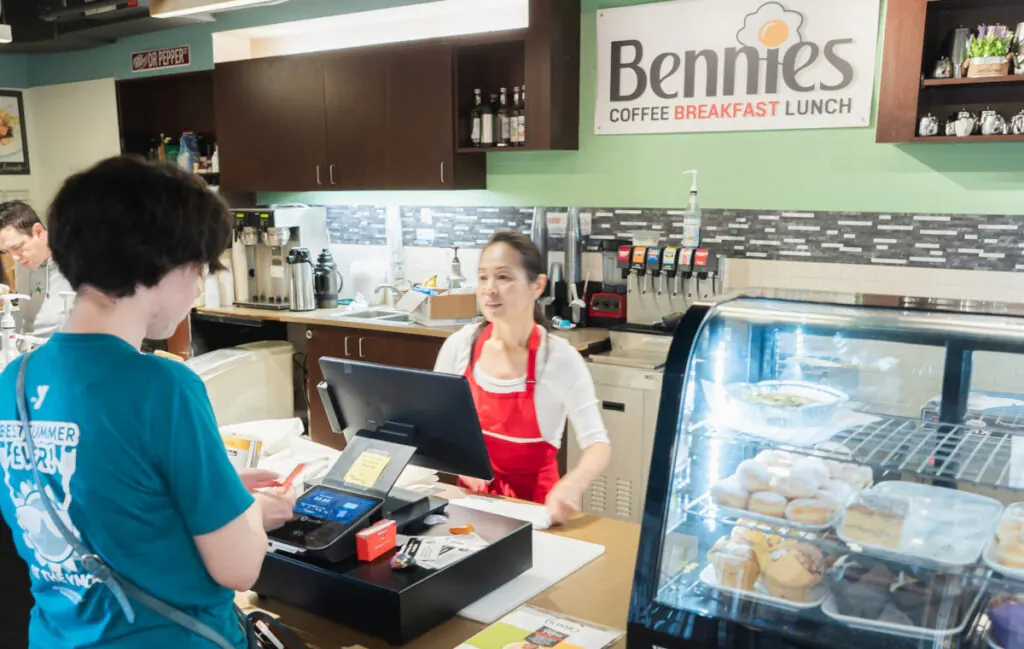
That is why the best operators pay attention to tiny points of friction. A line that moves too slowly at 7:30 a.m. Matters. A table left uncleared during the lunch lull matters. A staff member who remembers a guest’s usual order matters. None of this is glamorous, but it is exactly how repeat business is created.
The best cafés become part of a customer’s routine
People return to cafés for emotional reasons, but they need practical reasons first. Convenience, speed, parking, predictable hours, and menu reliability all come before brand affection. If those basics are weak, loyalty stays shallow.
In a place like Monument, routine is powerful. Many guests are not looking for an entirely new experience every week. They are looking for a café that fits cleanly into the shape of their day. That might mean opening early enough for commuters, keeping mobile pickup organized, or making sure the drip coffee is fresh during late morning when the first rush has passed.
Routine also depends on trust. If a guest orders the same cappuccino three times a week, they want it to taste essentially the same every time. That sounds obvious, but consistency is one of the hardest things to maintain in food and beverage. Milk texture changes with training. Shot quality changes with machine calibration. Baked goods change with timing and storage. Cafés that earn loyalty usually have systems strong enough to keep quality from drifting.
This is where many independent shops either separate themselves or quietly lose ground. They do not need perfection. They need repeatable competence. A guest will forgive a long line on a snow day. They are much less forgiving of a drink that tastes different every other visit.
Staff memory is a retention tool, not just a nice touch
Most café owners understand that friendly service matters. Fewer appreciate how much staff memory influences customer behavior over time.
When a barista remembers a name, a preferred milk, or the fact that someone always asks for an extra-hot latte, the interaction changes. It stops feeling transactional. In a community setting, that has real weight. People like being recognized, but more importantly, they like feeling that their habits are understood without having to explain themselves again and again.
This kind of service cannot be faked with scripts. It comes from hiring well, training carefully, and giving employees enough stability to stay long enough to build real customer relationships. High turnover breaks that continuity. Guests may not ask about staff retention directly, but they feel the difference when the entire front counter changes every few months.
The smartest cafés invest in team culture because they know customers can sense whether employees are engaged or simply surviving a shift. A warm room starts with internal operations. If staff are rushed, unsupported, or constantly putting out fires, hospitality becomes mechanical. If they are trained, trusted, and clear on expectations, service becomes smoother and more human.
One detail that often gets overlooked is how staff handle small corrections. When an order is wrong, loyal customers do not just judge the mistake. They judge the recovery. A calm apology, a fast remake, and a sincere effort to fix the issue can preserve trust. Defensive behavior tends to do the opposite. In a town market, those moments linger.
The room itself has to work for real life
A café can serve excellent coffee and still struggle with retention if the space fights the customer.
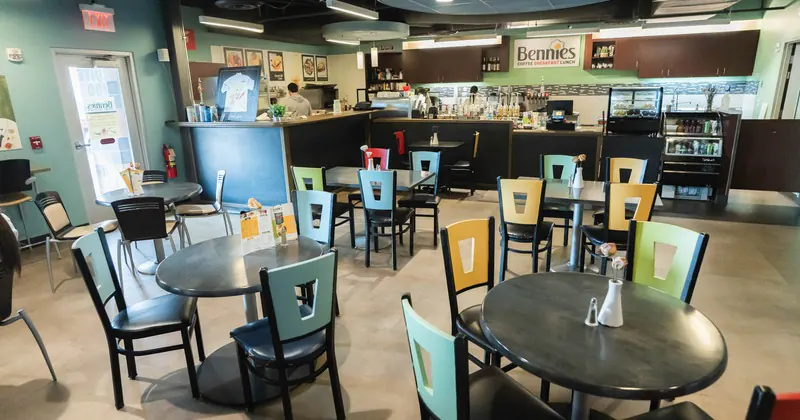
Seating layout matters more than many operators expect. Guests who come in alone often want a small table or counter seat that does not feel awkward. Parents with young children want enough room to manage strollers or bags without blocking traffic. Two friends meeting for forty-five minutes want comfort, but not so much noise that they have to lean in all conversation long. People working remotely want outlets, stable Wi-Fi, and at least a few seats that do not punish their back after half an hour.
The strongest cafés in Monument often understand that one room may need to serve several groups across the day. A morning commuter crowd behaves differently than a mid-afternoon student crowd. Retirees lingering over coffee create a different atmosphere than weekend family traffic. The businesses that keep customers coming back shape the room around those shifts rather than forcing everyone into a single use.
Cleanliness belongs in this discussion too, not as a cliché but as a retention driver. Customers rarely praise a tidy condiment station out loud, yet they absolutely notice when lids are scattered, tables stay sticky, or restrooms feel neglected. These details signal whether management pays attention when no one is watching. In hospitality, that perception matters.
Local relevance beats generic branding
A café in Monument does not need to imitate Denver, Colorado Springs, or a national chain. In fact, trying too hard to look borrowed usually weakens the experience. Customers can tell when a place belongs to its community and when it is performing an idea imported from somewhere else.
Local relevance can show up in many forms. It might be menu items that fit regional tastes and weather patterns. It might be artwork from nearby makers. It might be bulletin space for community events, provided it is curated and not allowed to become clutter. It might simply be staff who know the rhythm of the town well enough to anticipate school rushes, weekend tourism, or weather-related slowdowns.
This does not mean every café needs to lean heavily into rustic aesthetics or local symbolism. It means the business should feel grounded in place. Guests respond to authenticity, even if they would not use that word themselves. They can sense when the concept aligns with the town and when it feels copied from a trend report.
That sense of place is especially useful during shoulder seasons, when traffic can fluctuate and consumer habits tighten. A café with a strong local identity is more likely to be treated as a regular stop rather than a discretionary indulgence.
Menus that retain customers are disciplined
One common mistake is assuming customer loyalty grows when the menu keeps expanding. In practice, oversized menus usually create slower service, inventory waste, and uneven quality. The cafés that hold onto customers tend to know where variety helps and where it hurts.
Core items need to be strong enough that regulars can rely on them. That includes espresso drinks, drip coffee, a few tea options, and food that covers actual use cases rather than abstract categories. Guests want breakfast they can eat in ten minutes, something small with a mid-morning drink, and a few dependable lunch or snack choices that do not feel like an afterthought.
Seasonal specials can absolutely help, but only when they serve the brand instead of distracting from it. A well-made limited drink creates freshness. Too many rotating items create confusion. Regulars should feel that they have reasons to explore without losing the comfort of familiarity.
Pricing also requires judgment. Monument customers, like customers everywhere, understand that quality costs money. What they resist is mismatch. If the atmosphere, portion, ingredients, or service do not justify the price, return visits drop. The issue is not always that something is expensive. Often it is that the value proposition feels fuzzy.
Good operators test menu changes carefully. They watch how long orders take, how often ingredients run out, and whether staff can describe an item clearly at the register. If a drink photographs well but causes bottlenecks, it may not be worth keeping. Retention is often protected by saying no to things that look exciting on paper.
Speed matters, but not at the expense of composure
There is a difference between a café that is busy and a café that feels stressed. Customers return to the first one. They avoid the second.
Morning traffic often determines whether a Café Monument, CO keeps momentum through the week. Guests heading to work or school need confidence that they can get in and out without uncertainty. That does not mean everything must be lightning fast. It means the process should feel organized. People can tolerate waiting when the line moves, the staff communicate, and pickup is clear. They lose patience when they cannot tell what is happening.
Operationally, this usually comes down to setup. Are pastries stocked before the doors open. Is the espresso station laid out cleanly. Is there a dedicated handoff area. Are mobile and in-person orders competing for the same bottleneck. Has management staffed the first ninety minutes based on actual traffic rather than wishful thinking.
Composure matters just as much as speed because customers read the room instantly. If staff are abrupt, flustered, or visibly behind, the café stops feeling like a pleasant stop in the day. It becomes another source of friction. The best teams create the opposite effect. Even when they are moving hard, the room still feels under control.
Small gestures often drive the second and third visit
A first visit is often built on location, curiosity, or recommendation. The second and third visits are where a café begins to earn a habit.
What gets people back that quickly is rarely a dramatic gesture. More often, it is a cluster of thoughtful touches that reduce uncertainty and increase comfort. The bakery case is clearly labeled. The staff explain house-made items without sounding rehearsed. The music level allows conversation. Water is easy to find. The furniture is sturdy rather than merely stylish. Someone notices when a guest is standing awkwardly with a tray and clears a table.
These are not luxury details. They are signals that management has experienced the café from the customer’s side of the counter.
Loyalty programs Cafe Monument, CO can support retention, but they are not a substitute for this kind of operational thoughtfulness. A digital reward after ten purchases may encourage frequency at the margins. It cannot rescue a place that feels impersonal or unreliable. If anything, cafés sometimes overestimate the importance of incentives and underestimate the effect of smooth service.
The strongest loyalty programs work because they sit on top of an already solid experience. They give regulars a nudge, not a reason.
Community presence works when it is selective
Many café owners hear that they need to be involved in the community, then overextend themselves. Every fundraiser, every event request, every catering opportunity starts to look like good exposure. The risk is dilution. A café can become busy without becoming stronger.
Community presence should be strategic. Supporting nearby schools, local nonprofits, or town events can deepen loyalty when the partnership is genuine and manageable. It helps when the activity connects naturally to the café’s audience and capacity. A pastry tray for a school staff appreciation day makes sense. Hosting a recurring local club can make sense if the space supports it. Promising too much to too many groups usually leads to service problems in the store, which defeats the purpose.
Customers notice when community involvement is sincere. They also notice when it feels performative. A simple, well-executed partnership tends to do more for reputation than a crowded calendar of half-supported initiatives.
This is particularly relevant in smaller towns, where memory is long. If a business shows up consistently for the community in modest ways, people remember. If it makes public promises and executes them poorly, they remember that too.
Weather, seasonality, and school schedules change the playbook
Cafés in Monument operate with variables that can quietly shape retention more than branding ever will. Weather shifts can change foot traffic and daypart demand. School schedules alter the morning and afternoon customer mix. Holiday periods can bring spikes followed by stretches of softness. Weekend patterns do not always mirror weekday behavior.
Operators who handle these fluctuations well retain customers because they make the café feel dependable under changing conditions. A cold morning may call for a stronger staffing plan and more grab-and-go food ready early. A slower shoulder afternoon may be the right time to lean into hospitality, table touches, or sampling a seasonal item. The goal is not to control demand perfectly. It is to adapt without letting service quality slide.
This is one of the less glamorous forms of expertise in café management. It involves forecasting, prep discipline, and a willingness to adjust based on observation rather than ego. Owners who cling to one fixed approach often miss what the room is telling them.
Digital convenience now supports neighborhood loyalty
Even community-rooted cafés cannot ignore digital expectations. Customers who love a local café still appreciate modern convenience. Online menus, accurate hours, smooth mobile ordering, and timely responses to basic questions all reduce friction.
The key is integration. Digital tools should make the in-person experience easier, not colder. If mobile ordering creates confusion at pickup, it damages the atmosphere for everyone. If the café’s online information is outdated, customers lose trust before they even arrive. If social media promises items that regularly sell out early with no communication, frustration builds fast.
Handled well, digital systems can reinforce loyalty. A commuter who places an order ahead of time three mornings a week becomes even more attached to the café because it fits their life so efficiently. A parent checking hours during a school break appreciates clarity. Convenience and warmth are not opposites. The best cafés blend them.
What customers come back for, even when they cannot quite explain it
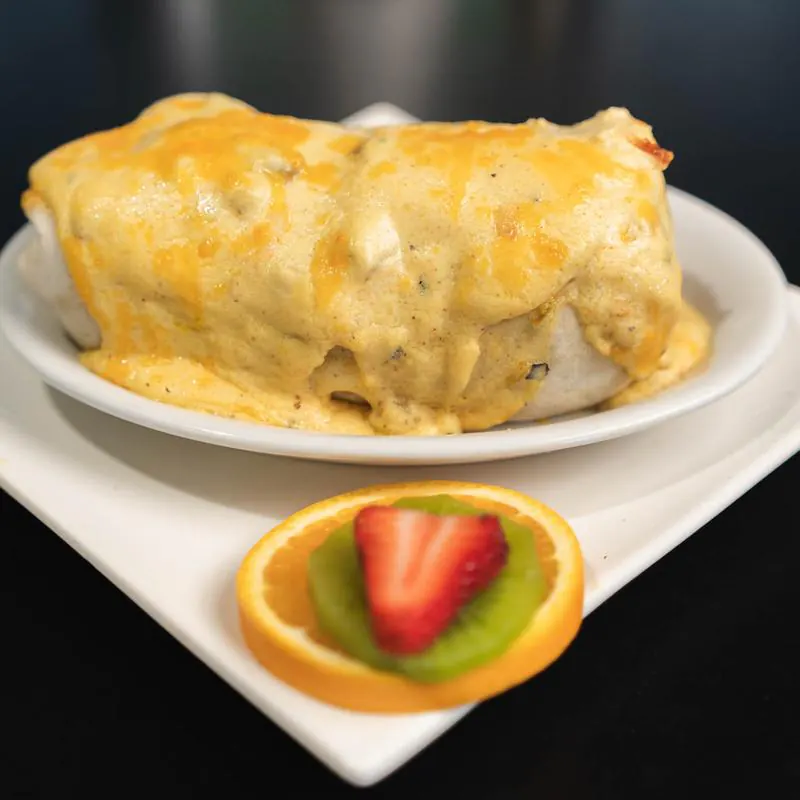
Ask regular customers why they return to a favorite café and their answers are often incomplete. They may mention the coffee first, or the breakfast burrito, or the comfortable corner table. All of that can be true. But repeat business usually comes from something larger and harder to package.
People come back because the café feels competent. Because the faces are familiar. Because the drink tastes right. Because they know where to stand, where to sit, and what kind of experience they will have. Because someone behind the counter seems glad to see them. Because the room offers a brief stretch of order in a day that may not have much of it.
That is what the best cafes in Monument protect so carefully. They are not simply selling coffee. They are maintaining a local ritual, one cup and one interaction at a time. In a place where relationships travel quickly and reputations settle in, that kind of discipline is what keeps the door opening again tomorrow morning.
Bennies Cafe
17230 Jackson Creek Pkwy Ste 100, Monument, CO 80132
+1 719-445-0660
FAQ About Cafe Monument, CO
What is considered a café?
A café is generally an informal place to enjoy refreshments and a meal. Bennies Cafe in Monument serves breakfast and lunch in a counter-service setting, with options including eggs Benedict, sandwiches and crepes. Guests can eat in or arrange pickup.
What is the difference between a coffee shop and a café?
The terms often overlap. A coffee shop usually emphasizes coffee and other drinks, while a café may offer a broader food menu. Check the individual establishment's menu rather than relying on its name. Bennies Cafe offers coffee drinks alongside breakfast and lunch dishes.
What is the difference between café and coffee?
In everyday English, a café is a place where people buy food and drinks, while coffee is the beverage. The word café comes from the French word for coffee. Bennies Cafe serves options such as brewed coffee, espresso and lattes as part of its drinks menu.
❧